020 3744 3778
Creating an Engaging and Educational Garden for Kids
Posted on 03/07/2025
Creating an Engaging and Educational Garden for Kids
In today's digital age, many parents seek creative ways to inspire kids to connect with nature and develop vital life skills. Designing an educational garden for children is a fantastic approach that combines learning, play, and responsibility in one outdoor adventure. Whether you have a sprawling backyard or a cozy balcony, cultivating a kid-friendly garden offers incredible benefits for your child's physical, mental, and emotional development.
Why Start a Garden for Kids?
Gardening with children is more than just planting seeds. It's about fostering curiosity, patience, and a sense of accomplishment. Kids learn firsthand about the natural world, food origins, and the delicate balance of ecosystems. Plus, engaging in hands-on gardening activities encourages physical activity, sharpens observational skills, and instills environmental respect.
- Boosts Fine Motor Skills: Tasks like digging, planting, and watering help develop dexterity and hand-eye coordination.
- Promotes Responsibility: Children learn the importance of regular care and nurturing living things.
- Encourages Healthy Eating: Growing their own fruits and vegetables makes kids more likely to try and enjoy healthy foods.
- Sparks Curiosity: Observing the growth cycle and engaging with insects and soil stimulates inquisitive minds.
- Fosters Teamwork: Families and classmates working together promote communication and cooperation.
Planning Your Educational Kids' Garden
Choosing the Perfect Spot
When it comes to creating an interactive garden for children, location matters. Look for a safe, accessible area that receives enough sunlight (at least 6 hours for most plants) and is close to a water source. If you lack yard space, consider container gardening on patios, balconies, or even indoors near a sunny window.
Deciding What to Grow
Opt for easy-to-grow plants for a successful and rewarding start. Kids love quick results, vibrant colors, and interesting textures. Here are some popular choices:
- Sunflowers: Towering stalks and big blooms are captivating and simple to grow.
- Radishes: These offer speedy germination and harvest--perfect for impatient gardeners!
- Cherry Tomatoes: Sweet treats that ripen quickly and can be eaten right off the vine.
- Pumpkins or Gourds: Fun for observing the full life cycle and using in autumn crafts.
- Herbs (Basil, Mint, Chives): Fragrant and useful in family meals.
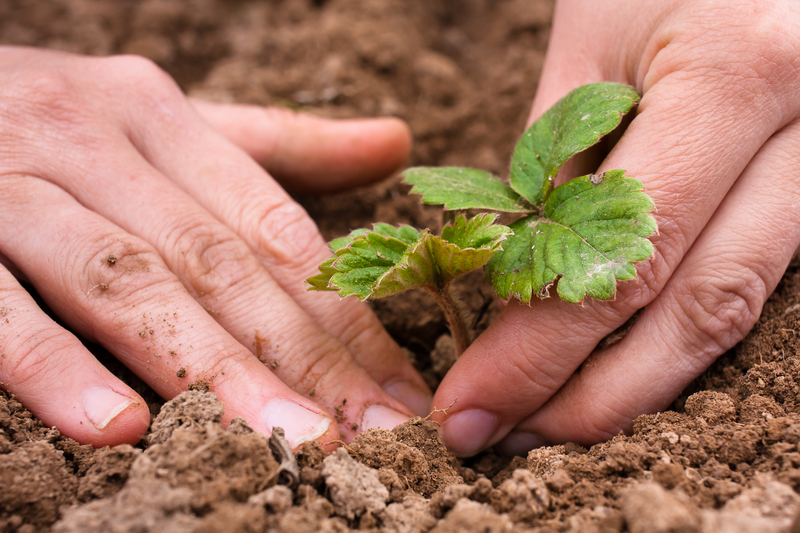
- Strawberries: Yield delicious rewards and are low-maintenance.
Designing Your Children's Garden for Maximum Engagement
Involve Kids in Every Step
Empowering kids to help plan their garden makes them more invested in the project. Guide them through selecting plants, designing the layout, and deciding on garden themes (such as a butterfly garden or pizza garden). Use graph paper or online garden planners to sketch ideas together, making the experience creative and interactive.
Make It Playful and Accessible
Gardens aren't just for plants--they're for people, especially little ones! Consider these features to enhance fun and accessibility:
- Raised beds or container gardens at child-friendly heights for easy access and less bending.
- Stepping stones or mulched paths for safe navigation.
- Colorful plant markers with pictures to help kids identify and remember what they've planted.
- Decorative elements like fairy houses, garden gnomes, and painted rocks to spark imagination.
- Comfy seating for reading, observing insects, or just relaxing together.
Safety Comes First
Ensure your kids' educational garden is a safe place to explore. Choose non-toxic plants, store tools safely, and avoid harmful chemicals. Teach children proper tool use and garden hygiene, including washing hands after digging in the soil.
Educational Opportunities in the Children's Garden
Science in Action
Gardens offer a living laboratory for discovering biology and ecology. Kids can:
- Observe the plant life cycle--from seed to sprout, flowering, and fruiting.
- Track weather patterns and rainfall, learning about plant needs.
- Discover insects, worms, and pollinators, and their crucial garden roles.
- Experiment with soil types and pH, watering routines, and sunlight variations.
Math, Art, and More
Encourage children to:
- Count seeds, measure plant heights, and calculate how long until harvest.
- Draw and journal about what they see, using art to capture colors and shapes.
- Create graphs to track growth or document wildlife visits.
- Make homemade labels and garden maps to practice writing and design skills.
Learning Responsibility and Patience
Nothing teaches patience better than waiting for a seed to sprout or fruits to ripen. Assign simple daily tasks such as watering, weeding, or harvesting, and rotate jobs to build a sense of responsibility and pride. Celebrate successes and embrace mishaps--every mistake is a learning opportunity.
Creative Activities to Make Gardening Fun for Kids
- Grow a Rainbow: Plant flowers in a spectrum of colors for a striking, educational effect.
- Butterfly Garden: Choose nectar-rich flowers to attract butterflies and educate kids about pollinators.
- Pizza Garden: Plant tomatoes, basil, oregano, and peppers--then harvest and make a pizza together!
- Scavenger Hunts: List items to find (a ladybug, a red flower, a heart-shaped leaf) to boost observation skills.
- Compost Corner: Set up a small compost bin and teach kids about recycling organic matter into soil.
Garden Crafts and Projects
- Decorate Plant Pots: Personalize containers with paint, stickers, or mosaics.
- DIY Bird Feeders: Attract wildlife and observe bird behaviors.
- Pressed Flower Art: Turn garden blooms into bookmarks or greeting cards.
Tips for Maintaining an Engaging and Educational Garden for Children
- Start small: A few containers or a single raised bed is often more manageable and less overwhelming.
- Keep it organic: Go chemical-free to protect curious hands and the environment.
- Rotate tasks: Give every child the chance to experience different roles and responsibilities.
- Celebrate milestones: Mark the first sprout, flower, and harvest with photos or a garden journal entry.
- Provide child-sized tools: These are safer and more comfortable for little hands to use.
- Integrate garden visits into your daily routine: Even short check-ins help keep kids invested and the garden thriving.
Incorporating Technology Thoughtfully
While the goal of a child-friendly educational garden is to reduce screen time, technology can enhance the experience when used wisely:
- Use mobile apps or websites to identify plants and track weather.
- Document progress with photos and videos to create digital garden journals.
- Research growing tips or explore virtual garden tours for inspiration.
Bringing the Garden Classroom Indoors
On rainy days or in limited spaces, continue the learning indoors:
- Try windowsill herb gardens using recycled containers.
- Grow microgreens or sprouts--fast results make them especially appealing to kids.
- Start seeds in egg cartons or upcycled cups to later transplant them outside.
- Read garden-themed books, explore plant-based art activities, or cook with homegrown herbs and veggies together.
Gardening as a Lifelong Gift
Creating an engaging and educational garden for kids is about more than cultivating plants--it's about nurturing a lifelong love of discovery and stewardship for the earth. By investing time and creativity in your child's gardening journey, you'll plant seeds of curiosity, confidence, and connection that can flourish for years to come.
Final Thoughts on Your Kids' Garden Adventure
The most important ingredient in an educational garden for children is your enthusiasm. Let your garden project be a place of laughter, learning, and a lasting bond with nature. Whether it's a few pots on a balcony or an expansive backyard retreat, the lessons and memories you cultivate will grow well beyond the garden itself.
For more ideas and gardening inspiration, don't hesitate to explore local community gardens, nurseries, or online resources!
Frequently Asked Questions about Creating an Educational Garden for Kids
- What age is best to start a garden with children? Preschoolers can start with simple tasks like watering and observing, while older kids enjoy more responsibility such as planting and harvesting.
- How can I keep my child interested in gardening? Choose quick-growing plants, add creative themes, and continuously introduce new activities and crafts.
- Are there specific plants to avoid in a kids' garden? Yes--avoid plants with toxic berries, thorns, or those known to trigger allergies. Always supervise young children in the garden.
- What's the best way to organize a child-friendly garden? Use small, accessible beds or containers, label everything clearly, and mix flowers, herbs, and veggies for year-round interest.
If you're ready to embark on this journey, gather your seeds and let each gardening day with your child be a step towards greener learning and joyful growth!