020 3744 3778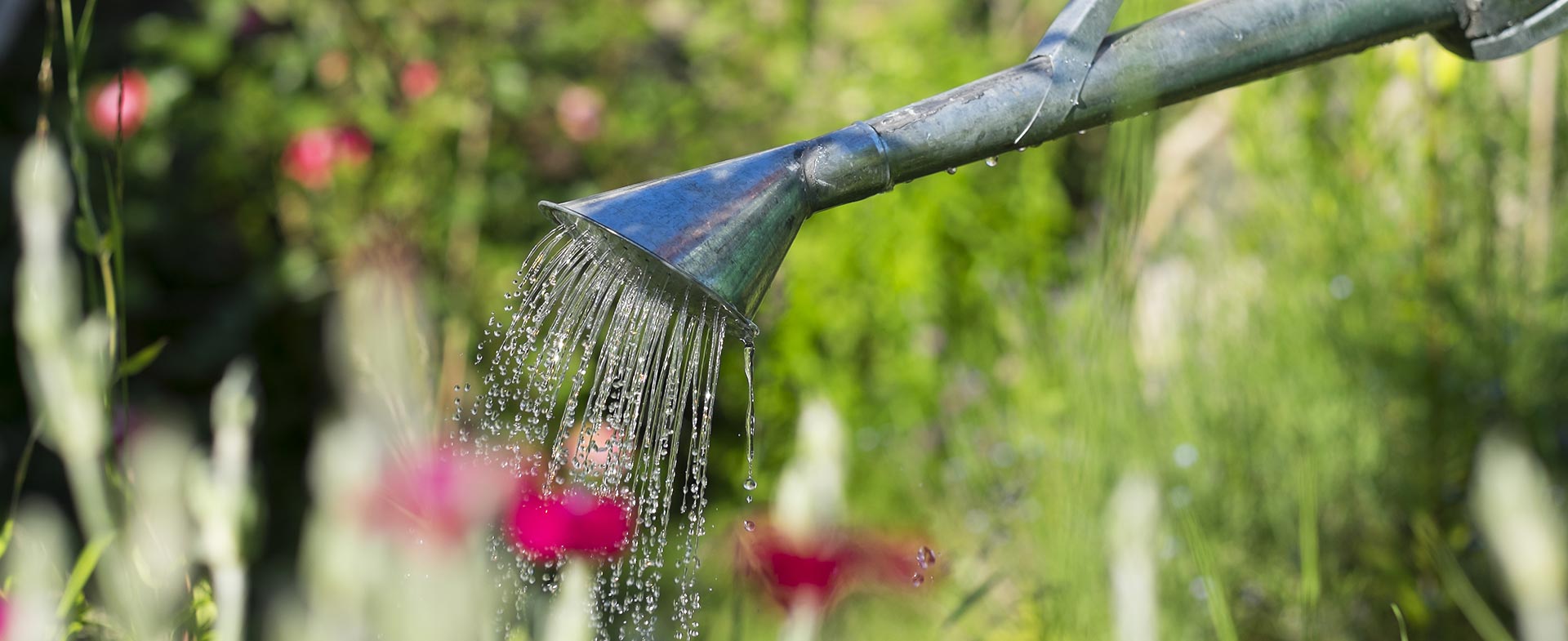
Unleashing Creativity in Your Child-Friendly Garden Design
Posted on 15/08/2025
Unleashing Creativity in Your Child-Friendly Garden Design
Unlocking the true potential of your backyard means crafting a sanctuary where children's imaginations run wild. Blending playfulness with safety, a child-friendly garden gives kids the freedom to explore, discover, and create a lifelong love of nature. If you're looking for tips to ignite creativity in your garden design, you're in the right place. Let's learn how to make a kid-friendly outdoor space that is as beautiful as it is inspiring!

Why Design a Creative Child-Friendly Garden?
Before diving into
- Spark Imagination: Interactive spaces with open-ended play options channel creativity.
- Boost Curiosity: Gardens foster learning about the natural world hands-on.
- Encourage Activity: Outdoor play aids physical health and emotional wellbeing.
- Family Bonding: Joint gardening projects connect generations and inspire teamwork.
- Build Valuable Skills: Gardening teaches responsibility, patience, and self-confidence.
Core Elements of a Creative, Safe Garden Design for Children
Ready to embark on your kid-friendly garden design journey? The best gardens for children balance adventure and security while encouraging exploration. Let's look at the must-have features that ensure a space where children's creativity truly blossoms.
1. Choose Safe Materials and Structures
When designing any child-centric garden, safety is key:
- Pick non-toxic plants (avoid foxglove, yew, lily of the valley, etc.).
- Install soft surfaces (mulch, bark chippings, or grass) under climbing areas and swings.
- Check for sturdy, splinter-free wood and smooth metal on all structures.
- Ensure fences and gates are secure, especially if near roads or water.
2. Integrate Zones for Play and Imagination
Children flourish when they have distinct areas for different kinds of play. Inspire creativity by incorporating:
- Mud kitchens for sensory play and pretend cooking.
- Secluded nooks or willow dens for private hideaways and reading corners.
- Open grass areas for imaginative free play or sports.
- Loose parts play corners with stones, logs, shells, or pinecones for building and storytelling.
3. Add Interactive and Educational Features
Why not make your child-friendly garden a hands-on science lab? Try these:
- Mini wildlife ponds (safely supervised!) to observe frogs, snails, and bugs.
- Bug hotels and butterfly-friendly flowers for nature study.
- Raised veggie beds for kids-only gardening projects.
- Bird feeders and bee houses for wildlife watching.
4. Use Color and Art to Inspire Wonder
Colorful, whimsical elements fuel a child's sense of wonder. Use these strategies for a creative spark:
- Paint fences or garden furniture in bold, bright hues.
- Hang wind chimes, suncatchers, or DIY art from trees.
- Install mosaic stepping stones for color and path-making fun.
- Let children create their own signs, bean teepees, or painted rocks.
Unleashing Creativity: Ideas to Transform Your Kid-Friendly Outdoor Space
Involve Children in Garden Planning
Empowering children to contribute ideas is the heart of creative landscape design:
- Ask them to draw their "dream garden" and identify favorite play elements.
- Let kids select their own seeds or seedlings for planting.
- Choose a garden theme together--fairy tale, jungle, bug explorer, or whatever sparks excitement!
Pro Tip: Involving children in the planning process increases their connection to the garden and instills pride in their outdoor creation.
Garden Structures That Ignite Imagination
Creativity in child-friendly garden design often centers on versatile structures. Consider these inspiring installations:
- Treehouses or Platforms: Even a simple raised deck can foster hours of imaginative play and independent adventure.
- Tunnels and Teepees: Willow domes, bamboo arches, or living bean teepees are magical havens for hide-and-seek and quiet moments.
- Sandpits and Water Tables: Encourage sensory exploration and creativity with natural sand and safe water play features.
- Obstacle Courses: Arrange logs, stepping stones, or balance beams for fun, active challenges.
Planting for Adventure: Best Plants for Child-Friendly Gardens
Use plants to build a dynamic landscape and add interest throughout the seasons:
- Sunflowers: Fast-growing giants for wonder (and tasty seeds in autumn!).
- Lavender and Mint: Sensory delights that teach scent and touch.
- Soft grasses: Create wiggle-friendly paths and gentle movement.
- Strawberries and herbs: Edible crops for snack breaks and taste exploration.
- Willow: Perfect for weaving living tunnels or domes.
Remember: Always double-check plant safety, as curious little hands (and mouths) may explore everything!
Encourage Art and Creativity Outdoors
Make space for outdoor creative activities:
- Install a chalkboard wall or 'painting easel' for messy masterpieces.
- Supply a basket of nature collage materials--leaves, twigs, petals, and acorns.
- Host stone painting sessions on a blanket in the shade.
Seasonal Ideas for Year-Round Fun in Your Child-Friendly Garden
Adapt your garden to provide creative stimulation throughout the year:
Spring:
- Start a child's own flower or veggie patch.
- Hunt for the first bugs and butterflies with a homemade 'discovery journal'.
- Build a fairy or dinosaur garden together.
Summer:
- Host garden picnics and outdoor puppet shows.
- Make homemade wind chimes with seashells or beads.
- Create a "barefoot sensory path" with sand, pebbles, grass, and bark.
Autumn:
- Collect leaves for pressings or nature art.
- Plant bulbs for next spring's surprise blooms.
- Tidy up with child-size tools; compost together to learn about recycling.
Winter:
- Hang bird feeders and make fat balls to attract winter wildlife.
- Build shelters for hedgehogs or insects.
- Bundle up and go on frosty scavenger hunts.
How to Keep Your Child-Friendly Garden Safe
Creativity thrives in safe settings. Here are essential tips for maintaining a secure child-centric outdoor space:
- Supervise younger children at all times, especially near water or when using tools.
- Check structures and fences regularly for loose nails, splinters, or wear.
- Store all chemicals, fertilizers, and sharp tools safely out of reach.
- Prune prickly or overgrown shrubs along play routes.
- Keep pathways clear and level to prevent slips or falls.
Tip: Involve children in age-appropriate safety tasks to teach responsibility while you garden together!
Eco-Friendly and Sustainable Approaches in Your Creative Kids' Garden
Fostering creativity also means cultivating a love for the planet. Here are eco-friendly ideas for your creative child-friendly garden design:
- Compost bin: Garden waste becomes food for next season's plants.
- Rainwater collection: Teach water conservation with colorful barrels or watering cans.
- Pollinator-attracting flowers: Support biodiversity with simple seed mixes.
- Recycle and upcycle: Turn old boots, pots, and pallets into planters, bug homes, or mini-fences.
- Swap plastic toys for natural materials or DIY play features.
Frequently Asked Questions on Child-Friendly Garden Design
What are some low-maintenance ideas for a child-friendly garden?
Opt for perennial plants, mulch for weed control, and robust ground covers like clover or thyme. Create simple garden zones (sandpit, grassy play area, sensory path) and keep tools handy. Remember, a wild and "imperfect" garden often offers the richest creative opportunities!
How do I adapt my garden for different ages?
Mix flexible play spaces with features that can change over time. Removable obstacle courses, raised beds on blocks, and portable art stations can grow with your child. Safety, accessibility, and inspiration are the watchwords at every stage.
What's the best size for a child-friendly garden?
You don't need acres--a creative backyard garden for kids or even a balcony can become a world of adventure. Use containers, vertical gardens, or wall art to maximize small spaces. Focus on interactivity and a sense of ownership instead of size.
How can I foster independent play outdoors?
Ensure zones are visible from indoors or adult seating areas, then provide open-ended and movable materials: chalk, planks, logs, baskets of stones, or scarves for fort-building. Encourage children to try new games and let their imaginations lead the way.
Conclusion: Cultivate Wonder with a Creative Child-Friendly Garden
A child-friendly garden design is more than just a safe space. With thoughtful planning and a willingness to unleash creativity, your outdoor haven can nurture independence, curiosity, and endless joy. Whether you have sprawling lawns or a tiny patio, prioritizing imagination and active play transforms the ordinary into something magical.
Start small, involve your children in every decision, and watch your garden--and their love for nature--grow season after season. Your creative, kid-friendly garden awaits!
Bonus: Quick Checklist for Designing a Creative Garden for Children
- Prioritize safety--soft landings, secure fences, non-toxic plants.
- Create zones for messy play, quiet time, and open-ended adventures.
- Encourage interactivity through raised beds, wildlife attracts, and art stations.
- Use color and natural materials for inspiration and wonder.
- Go eco-friendly with compost, rainwater, and recycled garden art.
- Keep it flexible--let the space evolve with your children's interests.
Embrace the journey of unleashing creativity in your child-friendly garden design--your children (and their imagination) will thank you!