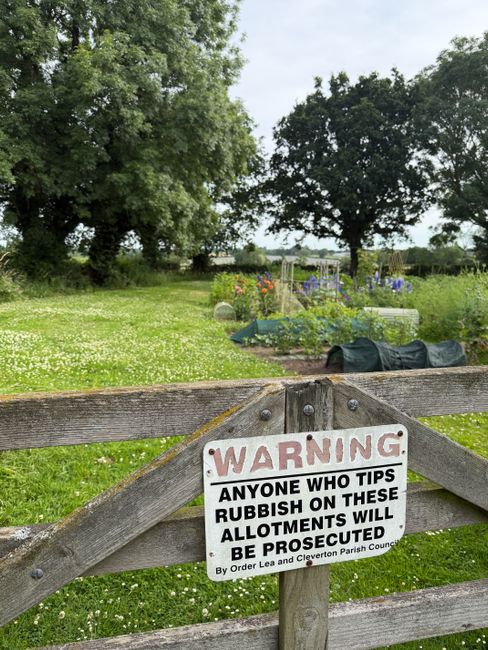
Access problems for Wennington gardeners on Hall Road: practical fixes, planning tips, and what to expect
If you live or work around Hall Road and have ever tried to get gardening work done, you will know the frustration: a narrow entrance, awkward parking, a long carry to the back garden, or a gate that barely opens. Access problems for Wennington gardeners on Hall Road can turn a simple job into a slow one, and sometimes a risky one too. The good news? Most access issues can be managed with a bit of planning, the right equipment, and a realistic view of what can be done safely on site.
This guide breaks down the common access barriers gardeners face on Hall Road, why they matter, how they affect different types of work, and the practical steps that usually make the biggest difference. You will also find a checklist, comparison table, and a few grounded tips from the sort of situations that crop up in real gardens. Nothing fancy. Just the useful stuff.
Why access problems for Wennington gardeners on Hall Road matters
Access is not just a convenience issue. It affects how safely a gardener can move tools, plants, waste, ladders, and heavy materials in and out of a property. On Hall Road, where properties may present different driveway widths, side passages, shared entrances, or restricted parking, the access route can shape the whole job.
When access is poor, small tasks can take longer than expected. A lawn mow becomes a long walk with a mower. A hedge trim turns into repeated trips carrying cuttings. Even simple maintenance, like weeding or clearing beds, can become awkward if tools must be carried through tight spaces. And let's face it, nobody enjoys dragging a wheelbarrow across uneven ground when there's a smarter way to do it.
From a client's point of view, access also affects timing, noise, and cost efficiency. If a team has to park further away or spend extra time moving equipment, the job will usually run less smoothly. That does not mean the work cannot be done. It just means the approach needs to be adjusted.
For readers comparing broader service options, it can help to think about access as part of the overall site setup, much like soil condition or weather exposure. If the layout is tight, services such as garden maintenance in Wennington or general gardening services may need a more careful first visit to plan around the property.
Expert summary: If access on Hall Road is limited, the best results usually come from preparing the site in advance, choosing manageable equipment, and being honest about what can be reached easily. That combination saves time, reduces stress, and avoids half-finished work.
How access problems for Wennington gardeners on Hall Road works
In practical terms, access problems fall into a few familiar categories. Some are physical, like narrow gates or steps. Some are logistical, like no nearby parking. Others are environmental, such as wet ground, overgrown side passages, or tight corners that make machinery hard to manoeuvre.
Here is how the issue usually plays out. A gardener arrives to cut grass, trim hedges, clean a patio, or carry out a larger seasonal tidy-up. If the entry route is clear, the job starts quickly. If the route is blocked, cramped, or too fragile for heavy use, the team has to adapt on the spot. That can mean smaller tools, fewer items carried at once, or a change in the order of work.
On Hall Road, this matters especially for:
- properties with rear gardens behind terraced or semi-detached layouts
- homes with shared access paths or gated side entrances
- gardens with decking, patios, or awkward steps that limit wheelbarrow movement
- jobs involving hedge cuttings, tree waste, soil, sleepers, or fencing materials
- maintenance visits where the team needs regular access over several months
If you are organising a bigger job, access is even more important. A landscaping project, for example, often needs repeated movement of materials. In that situation, services like Wennington landscaping or garden fencing can be planned more efficiently if access is checked before the first spade goes in.
Some jobs also depend on access for safety. Tree work, for instance, may require clear entry for equipment and waste removal. If branches have to be carried through a narrow route, the risk of snagging, trips, or property damage goes up. That is why services such as tree surgery in Wennington need a much more careful site review than a straightforward lawn cut.
Key benefits and practical advantages
It might sound obvious, but good access planning improves almost everything else about a garden visit. You feel it in the pace of the work, the cleanliness of the finish, and the calmness of the day. That matters more than people often expect.
- Less wasted time: tools and waste move faster when the route is clear.
- Lower risk of damage: narrow gates, walls, sheds, and paving are less likely to get knocked.
- Safer working conditions: fewer trips, fewer awkward lifts, fewer rushed manoeuvres.
- Cleaner end results: debris can be removed properly instead of left in small piles.
- Better service planning: the right job order and equipment can be chosen from the start.
There is also a subtle but important benefit: access planning makes it easier to decide which tasks should happen together. A site that is hard to access might be better served by combining compact jobs into a single visit. For example, hedge shaping, light lawn care, and bed tidying could be grouped rather than split into multiple trips.
That approach often works well with services such as hedge trimming, lawn mowing, and lawn care where access directly affects turnaround time.
And yes, small access improvements can also reduce the amount of time a gardener spends simply moving around. A clear side route and a gate that opens fully can save more effort than many people realise. A little boring, maybe. Very useful, definitely.
Who this is for and when it makes sense
This topic is for anyone who has looked at a garden and thought, "How on earth does someone get into that properly?" If you live on Hall Road, or manage a nearby property with a tight entrance, you are probably already familiar with the issue.
It is especially relevant if you:
- own a garden with narrow side access or a rear-only entry point
- need regular maintenance and want to avoid repeated delays
- are planning seasonal work such as pruning, clearance, or lawn restoration
- have older paving, decking, or fences that limit movement
- want to compare which services are realistic before booking
It also makes sense for people with children, pets, or shared properties, because access often has to be managed around daily life. If there is a dog in the garden, for example, the route in and out may need to stay secure. A project involving soft landscaping or hard surfaces may be easier to stage in smaller sections, rather than all at once.
For homes where the garden is compact or trickier than average, smaller-scale solutions can help too. Some jobs are simply better handled with portable tools and a tidy workflow. That is one reason garden projects in constrained spaces often pair well with practical advice from container gardening for small spaces or vertical gardening techniques when the goal is to improve the garden without adding clutter.
Step-by-step guidance
If you want to reduce access headaches before work starts, a simple plan goes a long way. The aim is not perfection. It is making sure the job can be done smoothly and safely.
- Walk the route from street to garden. Check the width of gates, side passages, steps, and any tight corners. If a mower or wheelbarrow cannot turn comfortably, note it.
- Identify the bottleneck. Is it parking, a narrow gate, a locked side entrance, a steep step, or uneven ground? One clear problem is easier to solve than a vague sense that the garden is "awkward".
- Clear the path before the visit. Move bins, bikes, plant pots, tools, and hanging items. Even a few small obstacles can slow things down more than expected.
- Decide what needs to be carried and what can stay outside. Sometimes a gardener can bring in only the essentials first, then fetch extra material later. That keeps the route cleaner.
- Group the work sensibly. If access is limited, start with the jobs that create the most waste or require the least manoeuvring. For example, hedge trimming before detailed edging may make more sense.
- Choose equipment that suits the space. Hand tools, compact cutters, lightweight blowers, and smaller mowers can make a real difference in tight gardens.
- Plan waste removal early. Garden waste is often the part that causes the most congestion. If there is no direct route for heavy waste, set out a carry plan before the first cut is made.
- Review safety at the end. Check for slipped soil, loose cuttings, blocked paths, and damp patches. A tidy exit is as important as a tidy finish.
If the job involves heavier or more structural work, such as fencing, decking, or larger hard landscaping, the planning stage matters even more. It may be worth discussing the access route before booking decking services, patio cleaning, or other outdoor improvements.
Expert tips for better results
Here is where the small details pay off. In our experience, the best access solutions are often not expensive or complicated. They are just sensible.
Keep one route consistently clear. If the same gate or path is used every time, make that the permanent working route. It reduces confusion and protects the rest of the garden from repeated foot traffic.
Use smaller, repeatable loads. It is tempting to carry everything in one go. Don't. Smaller loads are safer, especially when the path is narrow or slightly uneven.
Protect soft surfaces. If the ground is wet, turf and gravel can shift quickly under repeated movement. A few temporary boards or a cautious approach may save a lot of repair later.
Measure before the day of work. A quick measurement of gate width, opening angle, and any tight bend can prevent the classic "that won't fit" moment. Not glamorous, but very effective.
Think about sequencing. For instance, if hedge cuttings will block the route, deal with them early. If you are restoring a neglected garden, clear the access line first, then work outward. That same principle is useful for jobs like restoring a neglected garden space where the space itself needs a bit of order before the main work can begin.
Leave enough room for turning and resting. A gardener may need to set down tools, tip waste, or pause briefly. If the route is packed edge to edge, everything becomes more awkward than it needs to be.
Be honest about limits. If access is only suitable for hand tools, say so. It is better to book the right type of service once than to force a larger plan into a space it cannot sensibly fit.
Common mistakes to avoid
Most access problems are manageable, but a few common errors make them worse. These are the ones that show up again and again.
- Leaving access checks until the day of the job. That is when delays and awkward decisions happen.
- Assuming standard equipment will fit. A mower, chipper, or wheelbarrow might be too wide for the route.
- Ignoring waste movement. The work may start well and then stall when cuttings or rubble need removing.
- Blocking the working route with garden clutter. Pots, hoses, compost sacks, and children's toys all matter more than they look.
- Forgetting about return access. Getting in is one thing; getting out with bags, tools, and debris is another.
Another easy mistake is to focus only on the front gate and forget the back end of the job. If the gardener can get into the garden but cannot remove waste efficiently, the final clean-up becomes slow and messy. It happens. More often than people admit.
For routine outdoor upkeep, this is why services like garden maintenance in Wennington work best when the property's movement patterns are understood beforehand, not guessed on arrival.
Tools, resources and recommendations
You do not need specialist kit to improve access, but a few practical tools can help a lot.
- Measuring tape: useful for gate widths, side passages, and turning space.
- Lightweight hand tools: ideal where larger equipment would be clumsy.
- Wheelbarrow or garden trolley: helpful only if the route is stable enough for it.
- Temporary surface protection: boards or mats can protect lawns, paving, or decking in wetter conditions.
- Basic site notes: a few written reminders about locked gates, shared entry points, or parking restrictions can save time.
If you are looking at the bigger picture of improving a garden that is difficult to reach, there are also useful ideas in the website's broader gardening advice. For example, must-have tools for gardeners is a sensible starting point if you want to keep equipment manageable, while time-saving gardening ideas can help you streamline the work without cutting corners.
If the issue is a narrow, enclosed garden rather than just a single awkward gate, container planting and vertical layouts can make the space easier to maintain over time. That is especially useful where access is tight but the homeowner still wants a full, lively garden feel.
Law, compliance, standards, or best practice
Access planning sits mostly in the realm of practical best practice, but there are some sensible UK considerations worth keeping in mind. You do not need a legal textbook for this. Just a careful approach.
Health and safety comes first. If a route is too narrow, slippery, steep, or unstable for safe movement, it should not be forced. Garden work often involves lifting, bending, and repeated carrying, so stable footing matters.
Shared access should be respected. If a path or drive is communal, gardeners should avoid blocking neighbours, damaging shared surfaces, or leaving waste in common areas without agreement.
Property protection matters. It is best practice to protect walls, gates, edging, and paving where repeated traffic is likely. Even careful workers can scuff a narrow passage if the route is badly planned.
Waste should be handled responsibly. Green waste, soil, and cuttings need to be collected and removed or stored neatly according to the agreed setup. A cluttered access route is not just untidy; it can become unsafe.
Be cautious with trees and heavy materials. Larger jobs may require a more formal risk check, especially where ladders, saws, or bulky timber are involved. That is one of the reasons tree work is usually planned more carefully than simple maintenance.
In plain English: if the access route looks tight, treat it as a working condition, not an afterthought. That one mindset shift prevents a lot of headaches.
Options, methods, or comparison table
When access is difficult, there is rarely just one solution. The right choice depends on the size of the job, the condition of the garden, and how often the work will be repeated.
| Method | Best for | Pros | Limitations |
|---|---|---|---|
| Hand tools only | Very narrow or delicate access routes | Easy to carry, low impact on surfaces | Slower for bigger jobs |
| Compact powered tools | Moderate access with some room to move | Faster than hand tools, still manageable | May still be too bulky in tight corners |
| Staged working plan | Sites with restricted waste movement | Reduces congestion and improves flow | Needs good planning and patience |
| Full site clear-out before work | Gardens with cluttered routes | Makes access safer and quicker | Requires the client to prepare beforehand |
For Hall Road properties, the staged plan is often the sweet spot. It is flexible and realistic. You can still complete serious work, just without trying to force everything through the same bottleneck.
Where the access issue is linked to overgrowth rather than layout, you may also find value in related work such as ivy removal techniques or hedge trimming patterns and forms, because clearing encroaching growth often makes the route itself easier to use.
Case study or real-world example
A fairly typical Hall Road situation goes like this. A homeowner wants regular garden upkeep, but the only practical access is through a narrow side passage with a slightly awkward turn near the bins. The garden itself is not huge, but there is a lawn, a hedge boundary, a small paved area, and a few heavy pots that always seem to be in the wrong place. Funny how that happens.
On the first visit, the gardener checks the route before unloading everything. The mower is left outside because it is too wide for the turn. Instead, hand tools and a compact trimmer are used for the initial tidy-up. Waste is gathered in lighter bags rather than a large container, and the hedge work is completed before the cuttings start crowding the passage. The paving is then cleaned once the route is clear. The homeowner moves the pots beforehand on future visits, which makes the job noticeably easier.
What changed? Not the garden itself. Just the workflow.
That is the real lesson here. When access is limited, success comes from choosing a sequence that suits the site. Once that pattern is established, regular visits become smoother and the garden stays in better shape with less fuss.
Practical checklist
Use this checklist before booking or starting work on Hall Road:
- Have I checked the width of the gate or side passage?
- Can tools, a mower, or waste bags move through without force?
- Is there parking nearby, or will equipment need to be carried further?
- Are bins, bikes, pots, toys, or furniture blocking the route?
- Is the ground dry enough for repeated foot traffic?
- Will cuttings, soil, or debris need to be moved out through the same route?
- Do I need smaller tools rather than full-size equipment?
- Is there a shared access point that needs care or coordination?
- Would the job be easier if split into stages?
- Have I told the gardener about the awkward bits before they arrive?
If you can tick most of those off, you are in a far better position already. And if not, no drama. It just means the job needs a better plan.
Conclusion
Access problems for Wennington gardeners on Hall Road are common, but they are rarely a dead end. More often, they are a planning issue. A narrow gate, a long carry, a shared path, or limited parking can slow a job down, yet the right approach usually makes the work perfectly manageable.
The most important thing is to look at the garden as a working site, not just a patch of green. Once you do that, the small decisions become obvious: clear the route, choose the right tools, stage the work sensibly, and avoid forcing bulky equipment through a space that does not want it. Simple enough, really.
If you are preparing a property on Hall Road and want to make access easier before the next visit, a little early planning will pay for itself in fewer delays and a better finish.
Get a free quote today and see how much you can save.
Frequently Asked Questions
What are the most common access problems for gardens on Hall Road?
The most common issues are narrow gates, tight side passages, lack of parking nearby, awkward steps, and limited space for moving tools or waste. Sometimes it is the route in, sometimes the route out, and sometimes both.
Can gardening work still be done if access is very narrow?
Usually yes, but the job may need smaller tools, lighter loads, and a different sequence. In some cases, larger machinery simply is not practical. Hand tools and staged work are often the answer.
How should I prepare my garden before a gardener arrives?
Clear the access path, move bins and pots, unlock gates, and make sure the route is safe to walk through. If there is anything unusual about the entrance, mention it in advance. That tiny bit of prep helps a lot.
Does poor access increase the cost of garden work?
It can, because the work may take longer or require more labour to move equipment and waste. Not always, but it is common for access difficulty to affect the time required.
What kind of jobs are most affected by access issues?
Jobs involving waste removal, heavy materials, repeated visits, or bulky tools are affected most. Tree work, fencing, landscaping, and larger tidy-ups are usually more sensitive to access than light maintenance.
Is it better to book all garden work at once or split it into stages?
If access is tight, staging the work can be smarter. It reduces congestion and makes it easier to move through the garden safely. Bigger jobs often run better in phases.
Should I measure the gate or side passage before booking?
Yes. A quick measurement can save a lot of guesswork. Knowing the width of the narrowest point helps determine whether compact equipment will fit.
What if the garden path is shared with neighbours?
Then it is best to keep the route clear, avoid blocking access, and be careful with any materials or waste. Shared spaces need a bit of extra courtesy and coordination.
Can access problems affect hedge trimming or lawn care?
Yes. Even routine jobs like hedge trimming and lawn care can slow down if a mower or waste bags are difficult to move through the property. It is less dramatic than a full landscaping project, but still important.
What is the safest way to handle garden waste on a restricted site?
Smaller bags, shorter carry distances, and a clear route usually work best. It is also wise to plan where waste will be stacked temporarily so it does not block the working path.
Do I need to mention access problems before the first visit?
Absolutely. It is one of the most helpful things you can do. A gardener can plan much better if they know about narrow gates, parking limits, steps, or shared entrances before they arrive.
When should I consider professional help instead of doing it myself?
If the route is awkward, the work is heavy, or the space feels unsafe to move through with tools or waste, it makes sense to get professional help. A good plan and the right equipment can turn a difficult garden into a manageable one.