Health and Safety Policy for Gardeners Wennington
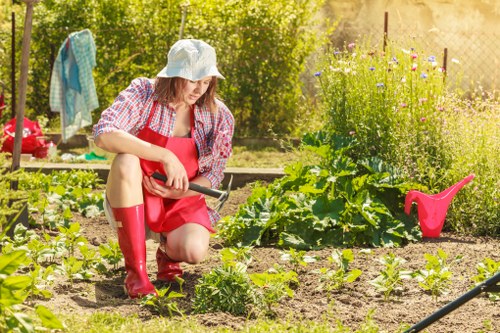 This Health and Safety Policy sets out the standards expected from gardeners in Wennington when carrying out garden maintenance, landscaping, planting, pruning, clearance, and related outdoor work. The aim is to reduce risk, protect workers and clients, and ensure every task is completed in a controlled and responsible manner. A safe working approach supports quality results and helps prevent accidents, injuries, and avoidable damage to property or plants.
Our gardening health and safety approach is based on careful planning, hazard awareness, and consistent supervision. All work should be assessed before it begins so that likely risks are identified and managed in advance. This includes checking access routes, the condition of the site, the presence of sharp tools, uneven ground, moving equipment, and weather-related concerns. Safety is treated as an essential part of the service, not an afterthought.
 Every garden maintenance team member must work in a manner that protects themselves and others nearby. This includes using tools only for their intended purpose, keeping work areas tidy, and avoiding unsafe shortcuts. Where tasks involve hedge cutting, mowing, digging, lifting, or the use of power equipment, workers must remain alert and follow safe operating practices at all times.
All gardeners must wear suitable personal protective equipment where required. Depending on the task, this may include gloves, eye protection, sturdy footwear, hearing protection, and weather-appropriate clothing. For landscaping and gardening tasks, the correct equipment helps reduce exposure to cuts, slips, impacts, flying debris, and repetitive strain. Clothing should allow safe movement while still providing enough protection for the job.
Tools and equipment must be checked before use and maintained in safe working condition. Damaged, blunt, loose, or faulty items should not be used until repaired or replaced. This applies to hand tools as well as powered machinery. Gardeners must also ensure that guards, switches, blades, cables, and fuel systems are inspected regularly, since equipment failure can create serious hazards during even routine work.
 Manual handling is another key part of this policy. Garden waste, soil, paving materials, and heavy containers should be moved using correct lifting techniques and, where appropriate, mechanical aids or team lifting. Workers should avoid twisting, overreaching, and carrying loads that are too heavy or awkward. Safe handling reduces the chance of back injuries, strains, and dropped loads in busy working areas.
Site conditions must be reviewed throughout the job, not only at the start. Changes in weather, surface conditions, or the behaviour of plants and debris can alter the level of risk. Wet grass, loose stones, hidden objects, unstable structures, or low visibility may require work to pause until conditions improve. A professional garden safety policy must remain flexible enough to respond to changing conditions without compromising standards.
Children, pets, visitors, and other members of the public should be kept clear of active work zones wherever possible. Tools, machinery, fertilisers, fuels, and sharp materials must be stored safely and never left unattended in a way that could cause harm. Where access must be shared, clear communication and simple control measures should be used so that everyone understands the boundaries of the work area.
Plant care tasks also require caution. Pruning, cutting back, and clearing overgrowth can expose hidden hazards such as thorns, insects, decayed branches, or unstable stems. Workers should inspect plants before handling them and use the appropriate technique for each species and task. A careful gardeners health and safety framework helps protect both the workforce and the long-term condition of the garden itself.
Risk assessment is central to the safe delivery of all gardening services. Before work begins, the task, equipment, environment, and people involved should be considered together. Hazards should be recorded mentally or in writing, and control measures should be applied proportionately. If a task cannot be completed safely, it should be delayed, modified, or stopped. Safety always takes priority over speed.
Training and supervision are essential to maintaining this policy. All workers should receive instruction on tool use, hazard identification, safe lifting, emergency response, and the correct handling of materials and machinery. New or less experienced team members should be supervised until they can demonstrate safe and consistent working practices. Good training supports professionalism and helps maintain reliable standards across all gardening services.
 Emergency preparedness is also part of responsible operations. Workers must know how to respond to cuts, falls, machinery incidents, burns, heat stress, and contact with hazardous substances. First aid supplies should be available where appropriate, and any incident must be reported, reviewed, and used to improve future practice. A strong health and safety policy depends on learning from near misses as well as accidents.
Environmental responsibility supports workplace safety too. Waste should be collected promptly, stored securely, and disposed of in accordance with safe working procedures. Spillages, broken glass, sharp branches, and trailing materials should not be left in pathways or work zones. Maintaining orderly surroundings reduces trip hazards and helps create a calmer, more controlled working environment for everyone involved.
All staff are expected to take personal responsibility for safe conduct while also looking out for colleagues and clients. If a hazard is noticed, it should be reported immediately and addressed before work continues. This shared approach strengthens the overall garden maintenance safety culture and makes each project safer, smoother, and more professional from start to finish.
 In summary, this policy confirms that Gardeners Wennington is committed to carrying out every task with care, competence, and due regard for health and safety. By managing risks, maintaining equipment, using proper protective measures, and promoting awareness at all times, we help ensure that every gardening job is completed safely and responsibly.