RM13 garden maintenance tips from Wennington gardeners
If you want a garden that looks cared for without eating up every spare Saturday, the trick is not doing more - it is doing the right things at the right time. These RM13 garden maintenance tips from Wennington gardeners are built for real gardens, real weather, and real routines: a bit of rain, a bit of wind, and the occasional week where everything seems to grow twice as fast. The goal is simple. Keep your outdoor space healthy, tidy, and easy to enjoy, whether you have a compact front garden, a family lawn, or a mixed plot with hedges, paving, and planting beds.
In this guide, we will walk through the practical maintenance habits that make the biggest difference, where people usually go wrong, and when it makes sense to bring in professional support. You will also find a simple checklist, a comparison table, and some local-minded advice that helps you decide what to handle yourself and what is better left to experienced hands.
Why RM13 garden maintenance tips from Wennington gardeners Matters
RM13 gardens face a fairly typical mix of UK conditions, but that does not make them easy. Damp weather can push moss into lawns and patios. Wind can batter taller planting. Mild winters keep weeds ticking over longer than you might expect. Then spring arrives and, suddenly, there is growth everywhere. If you wait too long, small jobs snowball. A few weeds become a bed full of them. A little trimming becomes a hedge rescue. A patchy lawn turns into a proper problem.
That is why local maintenance knowledge matters. Wennington gardeners tend to focus on steady, preventative care rather than dramatic fixes. It is the difference between keeping a garden under control and trying to restore one that has gone a bit feral. To be fair, most gardens do not need glamour. They need consistency.
Good maintenance also supports how a garden feels to live with. A cleared path is safer and more inviting. A healthy lawn is easier to use. Trimming and pruning at the right moment encourages shape rather than chaos. And if you are planning broader improvements, a well-maintained base makes a big difference to anything else you add, from garden landscaping to new fencing or decking.
There is another reason it matters: neglect is expensive in time, not just money. The longer problems sit, the more labour they usually take to resolve. That is true for weeds, overgrown hedges, slippery patios, and even poor drainage in planting areas. Small, regular jobs are boring, yes. They are also what keep the whole place sane.
How RM13 garden maintenance tips from Wennington gardeners Works
At its simplest, garden maintenance is about three things: inspection, action, and timing. First, you look properly at the space. Not just a quick glance from the back door. Walk the garden. Check what is growing too fast, what looks weak, where water sits after rain, and which surfaces are getting slippery or stained.
Next comes action. That may mean mowing, edging, clearing weeds, feeding the soil, pruning shrubs, or washing hard surfaces. The key is to work in a sensible order. Start with the biggest problems, then move to detail work. For example, you would usually clear overgrowth before mowing, and sweep a patio before deep cleaning it. Small thing, big difference.
Finally, timing matters. In Wennington and the wider RM13 area, a good maintenance rhythm usually follows the seasons rather than a rigid calendar. In spring, you are resetting after winter. In summer, you are controlling growth and keeping things watered. Autumn is for clearing leaves, preparing beds, and protecting vulnerable plants. Winter is more about structure, safety, and light-touch care. If a windier week has passed through, you may also need to check stakes, borders, and taller shrubs sooner rather than later.
The really useful part? Garden maintenance is not one job. It is a blend of smaller disciplines. A tidy lawn often depends on good lawn care, while a smart hedge shape depends on regular trimming. If you need a fuller service approach, garden maintenance in Wennington RM13 can bring all those moving parts together without making the process feel like a weekend project from hell.
Key Benefits and Practical Advantages
Consistent maintenance gives you more than a neat appearance. It changes how the whole garden behaves.
- Healthier planting: plants get more light, better airflow, and less competition from weeds.
- Fewer emergencies: you catch broken branches, pest issues, and drainage problems before they escalate.
- Better use of space: tidy borders, trimmed edges, and clear walkways make the garden easier to enjoy.
- Reduced long-term effort: regular upkeep usually takes less time than fixing neglect.
- Improved kerb appeal: whether you are selling, renting, or simply taking pride in the place, the garden looks cared for.
There is also a practical comfort factor. A garden that is maintained properly tends to feel calmer. You notice it when you step outside on a damp morning and everything still looks intentional. Even a simple courtyard can feel much bigger once the weeds are gone and the surfaces are clean.
For many households, another benefit is predictability. You know what needs doing, when it needs doing, and what can wait. That reduces the low-level background stress that neglected outdoor spaces create. It sounds a bit dramatic, maybe, but people feel it.
If hard surfaces are part of your setup, pairing routine upkeep with patio cleaning can transform the whole space, especially after wet weather or leaf fall. For lawns, a combination of mowing and lawn care usually works better than a quick cut alone.
Who This Is For and When It Makes Sense
This advice is for anyone in RM13 who wants a garden that stays manageable, not just pretty for a week. That includes:
- Homeowners with small or medium gardens who want less weekend maintenance
- Families who need safe, usable outdoor space for children or pets
- Busy professionals who can only do short maintenance sessions
- Landlords or property managers trying to keep outdoor areas tidy between tenancies
- People with mature planting, hedges, decking, or hard landscaping that need regular attention
It also makes sense if the garden has begun to drift. You know the sort of thing: weeds in the cracks, grass getting long at the edges, one shrub leaning over the path, maybe a patch of ivy where it never used to be. Nothing catastrophic. Just enough to make you sigh a little every time you look outside.
There are times when DIY is fine, and times when it is better to get help. If the work is routine and safe - mowing, light weeding, sweeping, deadheading - many people can manage it. If the job involves height, heavy cutting, unstable branches, slippery surfaces, or a full garden reset, professional support is usually the more sensible option. Not glamorous. Sensible.
For more complex work across borders, plant beds, and built features, a broader gardening services visit can be the easier route. And if the issue is a slightly tired-looking garden rather than a fully overgrown one, you may also find advice on restoring a neglected garden space helpful.
Step-by-Step Guidance
Here is a practical maintenance routine you can actually use. It is simple enough for regular upkeep, but detailed enough to prevent the usual problems from building up.
- Start with a visual walk-through. Check borders, lawn edges, paths, fences, shrubs, and any wet or shaded spots. Look for weeds, pest damage, broken stems, standing water, and moss.
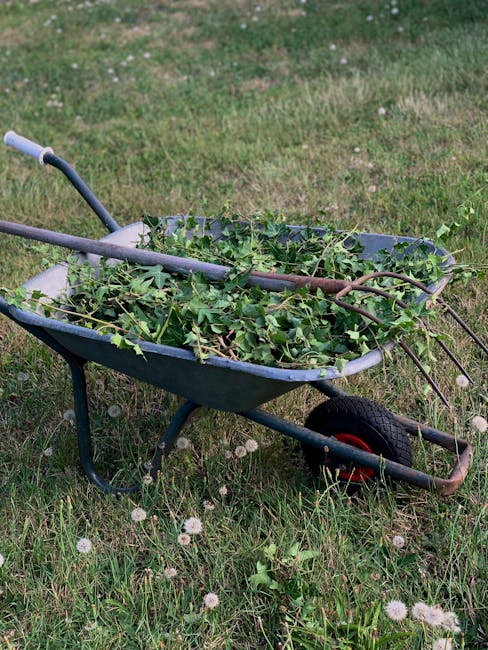
- Clear debris first. Remove fallen leaves, twigs, dead foliage, and litter. This makes every other task easier and helps you spot issues underneath.
- Deal with weeds early. Do not leave them until they seed. Pulling or cutting them when they are small is far simpler than battling established roots later. If weeds are a constant battle, the ideas in these weed control techniques are worth reading.
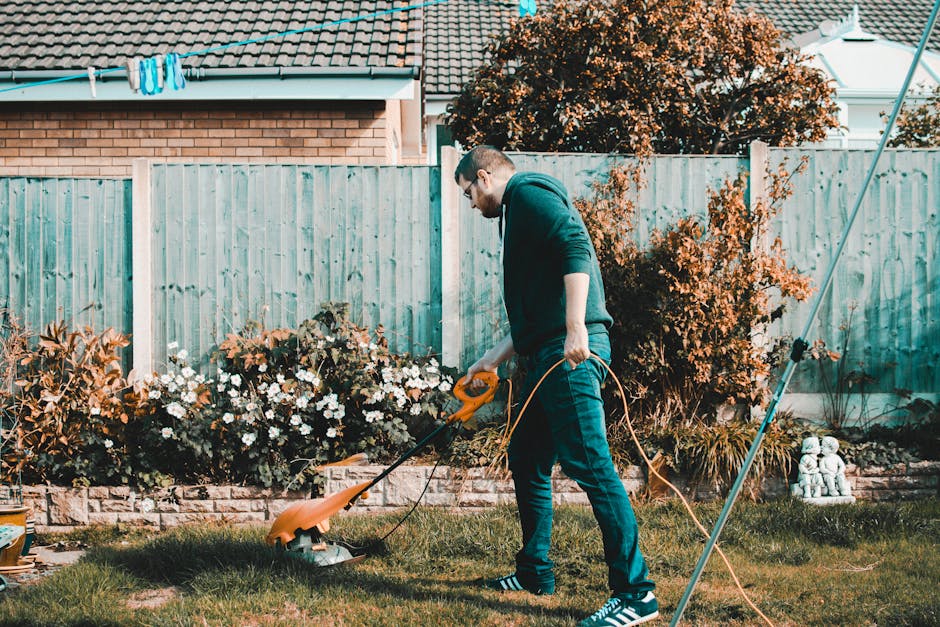
- Mow and edge the lawn. Keep the cut appropriate to the season. A lawn that is scalped will struggle; one left too long can thin out and look messy. Light edging makes even a modest lawn look cared for.
- Trim hedges and shrubs with shape in mind. Take out dead or crossing growth, but do not hack everything back at once. If the garden has boundary planting, hedge trimming done regularly is far better than one brutal annual cut.
- Inspect trees and taller growth. Broken limbs, leaning trunks, or branches rubbing against roofs and fences need attention. Safety first, always. For larger issues, tree surgery support is the safer option than a ladder-and-a-prayer approach.
- Wash and restore hard surfaces. Paths, patios, and decking collect algae, leaf stain, and general grime. That slick surface is not just ugly; it can be risky. Use proper cleaning methods for each surface rather than blasting everything with the same setting. If you have timber outdoors, decking services can help keep it sound and presentable.
- Feed and refresh the soil. Add compost, mulch, or other organic matter to beds where needed. This keeps moisture more stable and supports root health. A good soil routine goes a long way.
- Check watering and drainage. Water deeply but not constantly, and make sure pots, beds, and low corners are not staying soggy for too long. Wet soil in the wrong place can be just as damaging as drought.
- Finish with a tidy-up pass. Step back and look again. You will spot one more weed, one leaning pot, one snagged hose. There is always one more thing. There just is.
If you want the routine to stay manageable, divide it into short sessions. One 20-minute sweep midweek can prevent a messy Saturday. That is the honest truth.
Expert Tips for Better Results
Experienced gardeners tend to think in layers. The obvious job is rarely the whole job. A few small habits make maintenance smoother and more effective.
- Work from top to bottom: prune or clear overhead growth before cleaning the ground. Otherwise you do the same work twice.
- Keep an eye on shaded corners: moss, mildew, and weeds love low-light, damp areas. If your garden has one awkward corner that never quite dries, that is usually where the trouble starts.
- Use mulch strategically: it suppresses weeds, slows moisture loss, and makes borders look finished. Great stuff, really.
- Do not overfeed lawns: more product is not always better. Feed according to need and season.
- Prune with purpose: cut to improve shape, airflow, and plant health, not just to reduce size.
- Match the method to the material: timber, stone, composite, and soil all need different treatment.
A useful local observation: after windy spells, gardens often look fine at a glance but have subtle damage. Pots blow over. Young stems loosen. Fences shift a touch. If that sounds familiar, it is worth checking the structural parts as well as the plants themselves. For boundary issues, fencing support in Wennington RM13 can prevent a small wobble from becoming a bigger job later.
Another tip that gets overlooked: keep your tools clean. It is not only about appearances. Clean blades cut more neatly and reduce the chance of spreading problems from one area to another. Nothing fancy. Just wipe, sharpen, and store them dry. A bit dull, perhaps, but it works.
Common Mistakes to Avoid
Most maintenance problems come from a few predictable errors. Avoid these and you are already ahead of many gardens.
- Cutting too much at once: whether it is a lawn, hedge, or shrub, aggressive cutting can stress the plant and leave it looking bare.
- Ignoring the first signs of weeds: once they set seed, the job becomes much bigger.
- Using the wrong cleaning method: high pressure is not automatically best for patios or decking. Sometimes it makes things worse.
- Leaving fallen leaves in place for too long: they can smother grass and make surfaces slippery.
- Forgetting seasonal timing: winter, spring, summer, and autumn each ask for different routines.
- Trying to do everything in one go: that leads to half-finished work and sore backs. Been there, regretted that.
A particularly common issue is assuming all overgrowth can be tackled with one big cut. Not really. Some plants recover well, others sulk, and a few never regain their shape. If you are unsure, a lighter approach is usually safer. When in doubt, trim a little and reassess.
Another mistake is overlooking how one neglected feature affects the rest. A blocked drain in a patio area, for example, can affect a nearby lawn edge or bed. A hedge that grows too dense may shade out planting beneath it. Maintenance works as a system, not as separate chores.
Tools, Resources and Recommendations
You do not need a van full of equipment to keep a garden in good shape. A sensible kit is better than a huge one. For most RM13 maintenance jobs, these are the basics:
- Hand fork and trowel for weeding and planting
- Sharp secateurs for light pruning and deadheading
- Shears or hedge trimmers for shaping hedges and shrubs
- Rake and stiff broom for leaves and debris
- Lawn mower suited to the size of the lawn
- Gloves, especially for thorny or messy work
- Watering can or hose with a sensible spray setting
- Bucket or garden waste bags for tidy removal
If your garden includes more specialised features, it can help to think in terms of task-specific support. For example, a lawn can benefit from both regular mowing and more focused lawn mowing visits, while hard surfaces may need periodic patio cleaning to stay safe and usable.
On the knowledge side, it is worth reading practical guides on related topics such as wind protection, winter plant care, and green-space design. For instance, wind management in your backyard is useful if your garden feels exposed, and winter survival tips for plants can help you plan ahead instead of reacting after the damage is done.
Law, Compliance, Standards, or Best Practice
For most domestic gardens, maintenance is mainly about good practice rather than heavy regulation. Even so, there are a few things worth keeping in mind.
If a tree, hedge, or fence is near a boundary, always check ownership and access before carrying out work. Shared boundaries can become awkward quickly if one side makes changes without agreement. It is not the sort of drama anyone wants on a Tuesday afternoon.
For larger trees, safety should come before convenience. Anything involving unstable limbs, height, decay, or work close to buildings is best treated cautiously. Local professionals normally follow accepted horticultural and safety practices, and that usually includes proper risk assessment, suitable equipment, and sensible waste handling.
If you are using machinery, keep the basics in mind: wear suitable footwear, protect your eyes when needed, keep children and pets away from the work area, and do not use tools you are not comfortable operating. For many households, the best practice is simply to know when a task has moved beyond DIY territory.
There is also an environmental side to good practice. Avoid unnecessary waste, compost healthy green waste where possible, and use cleaning methods that suit the material without causing damage. A careful gardener generally wastes less and gets better results. That bit never really goes out of date.
Options, Methods, or Comparison Table
Not every garden task needs the same approach. Here is a simple comparison to help you decide what is most practical.
| Task | DIY Approach | Professional Support | Best For |
|---|---|---|---|
| Lawn mowing | Good for regular upkeep if the lawn is manageable | Useful for larger lawns or consistent presentation | Routine grass control and neat edges |
| Hedge trimming | Fine for light shaping and small hedges | Better for tall, dense, or awkward hedges | Shape, privacy, and preventing overgrowth |
| Patio cleaning | Possible for small areas with the right method | Better when staining, algae, or larger surfaces are involved | Safety and appearance |
| Tree work | Only very light pruning if you know what you are doing | Recommended for most substantial work | Safety, structure, and plant health |
| Full garden reset | Time-consuming and physically demanding | Often the faster, more efficient route | Neglected spaces and seasonal refreshes |
The table is not about making DIY look bad. Sometimes it is the right call. But if the job has height, weight, or scale, expert help is often worth it. A neat result is nice. A safe result is better.
Case Study or Real-World Example
Imagine a typical RM13 rear garden after a wet spring: the lawn is patchy at the edges, the hedge is starting to spill across the path, and the patio has gone a bit green. Nothing alarming, just enough that the whole space feels tired.
The first step is not to rush in with a mower and hope for the best. A sensible maintenance sequence would be: clear fallen debris, pull weeds from borders and paving joints, trim the hedge lightly, mow the lawn at a sensible height, and then clean the patio once the loose material is gone. If the hedge has grown unevenly, a more careful reshaping may be needed. If a tree canopy is closing in too much, that should be assessed before any casual cutting.
What usually happens next is interesting. Once the obvious clutter is gone, the garden starts to look bigger. Light reaches more of the lawn. The path feels safer. The planting beds look deliberate again rather than accidental. And that feeling tends to motivate people to keep going. One small win leads to another.
In many cases, a short professional visit can finish what DIY started. A homeowner might handle the weeds and mowing, then bring in support for the heavier work such as tree surgery, deeper hedge work, or a full tidy-up through gardening services. The result is usually calmer, neater, and easier to maintain the following month.
It is not magic. It is sequencing, really. But sequencing wins.
Practical Checklist
Use this simple checklist to keep your RM13 garden on track through the year:
- Walk the garden and spot problems before starting work
- Remove leaves, twigs, and general debris
- Weed beds, paths, and borders before seeds spread
- Mow the lawn at the right height for the season
- Trim hedges and shrubs before they become difficult to manage
- Check trees for dead, damaged, or awkward growth
- Clean patios, paths, and decking where algae or staining has built up
- Refresh mulch or compost in tired beds
- Inspect watering, drainage, and soggy areas after heavy rain
- Keep tools clean, sharp, and safely stored
- Book professional help for jobs involving height, risk, or heavy overgrowth
If you like a seasonal rhythm, use spring for reset work, summer for control, autumn for clearing and preparation, and winter for inspection and light maintenance. That simple pattern usually keeps things under control without making the garden feel like a second job.
Get a free quote today and see how much you can save.
Conclusion
Good garden maintenance is not about chasing perfection. It is about keeping your outdoor space healthy, tidy, and easy to live with. The best RM13 garden maintenance tips from Wennington gardeners are the ones that help you stay ahead of problems, not just tidy them after they have grown teeth.
Start with the basics: clear debris, deal with weeds early, mow regularly, trim with care, and pay attention to patios, hedges, and trees before they become bigger jobs. Add a seasonal rhythm, keep your tools in good nick, and do not be shy about calling in help where safety or scale demands it. That is how a garden stays enjoyable rather than becoming a nagging list of things you should have done last month.
And honestly, that steady, well-kept feeling is worth a lot. You notice it on the first dry morning when the light hits the lawn and the whole place just works. Nice, isn't it?
Frequently Asked Questions
What are the most important RM13 garden maintenance tips from Wennington gardeners?
The biggest priorities are regular mowing, early weed control, sensible hedge trimming, debris removal, and seasonal checks for drainage, damage, and overgrowth. Those basics solve more problems than most people expect.
How often should I maintain my garden in RM13?
Most gardens benefit from light weekly attention and a deeper monthly tidy-up, with seasonal tasks layered in as needed. During periods of fast growth, you may need to step up the pace a little.
Can I do all garden maintenance myself?
Some of it, yes. Routine jobs like mowing, weeding, and light tidying are manageable for many homeowners. Bigger or riskier work - such as heavy hedge cutting, tree work, or deep surface cleaning - is often better handled professionally.
What is the best time of year for hedge trimming?
It depends on the plant, but many hedges are best trimmed during active growth periods, with lighter maintenance later in the season. If you are unsure, a careful, less aggressive approach is usually safer than a hard cut.
Why does my patio keep going slippery?
In damp UK weather, patios often develop algae, moss, or surface grime. Shade and poor drainage make it worse. Regular cleaning and better airflow around the area usually help.
How do I know if my lawn needs more than mowing?
If the grass is patchy, thin, mossy, or full of weeds, mowing alone will not fix it. That is when more focused lawn care becomes useful, especially if the soil or watering routine also needs attention.
Are tree branches something I should deal with myself?
Only very light, low-risk work if you are confident and the branch size is small. Anything high, heavy, unstable, or close to structures is best left to trained professionals.
What should I do with garden waste after maintenance?
Healthy green waste can often be composted, while other cuttings, leaves, and debris should be disposed of responsibly. Keep diseased material separate where possible. That saves trouble later.
Is professional garden maintenance worth it for a small garden?
Often, yes. Small gardens still need regular care, and a professional visit can save time while keeping everything neat. It can be especially useful if you have limited time or a tight outdoor layout.
How can I keep maintenance from becoming overwhelming?
Break it into small, repeatable jobs. Do a short weekly sweep, tackle one bigger task each month, and book help before problems get out of hand. Honestly, that rhythm is much easier to live with.
What if my garden is already badly overgrown?
Start with clearing and assessment rather than cutting everything at once. A neglected space usually needs staged work. If it feels too far gone, professional restoration can be the quickest way back to a usable garden.
Do I need different maintenance in winter?
Yes. Winter is usually about protecting plants, checking structure, clearing debris, and avoiding unnecessary disturbance. Growth slows, but maintenance does not stop completely.
How do I choose between mowing, garden maintenance, and a full garden tidy-up?
If the grass is the only issue, mowing may be enough. If the whole space needs attention - weeds, hedges, patios, borders, and general clutter - full garden maintenance or a tidy-up is more appropriate. If you want a broader refresh, a proper garden service is often the most efficient route.