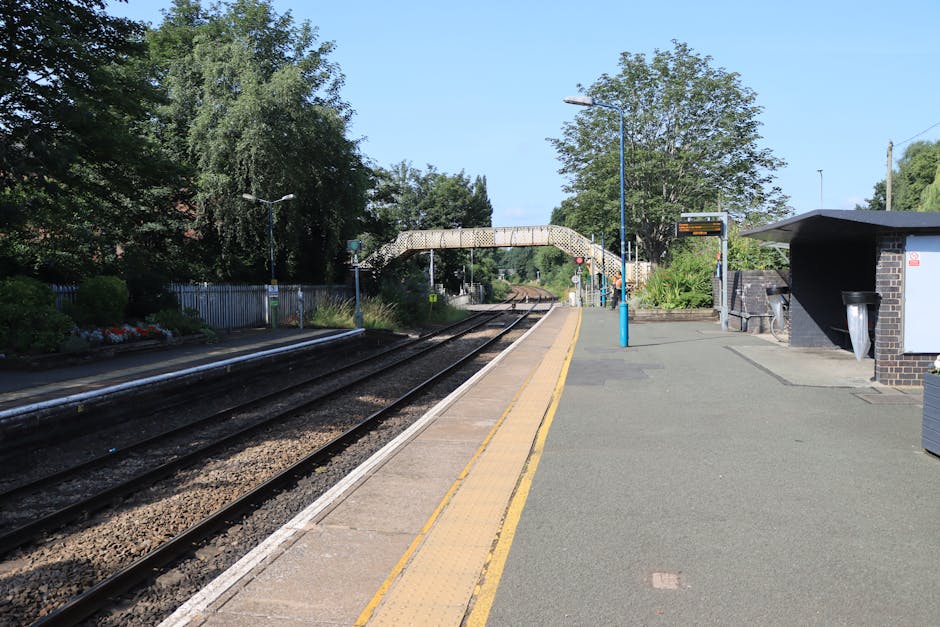
Wennington gardeners for homes near Wennington Station quick tips
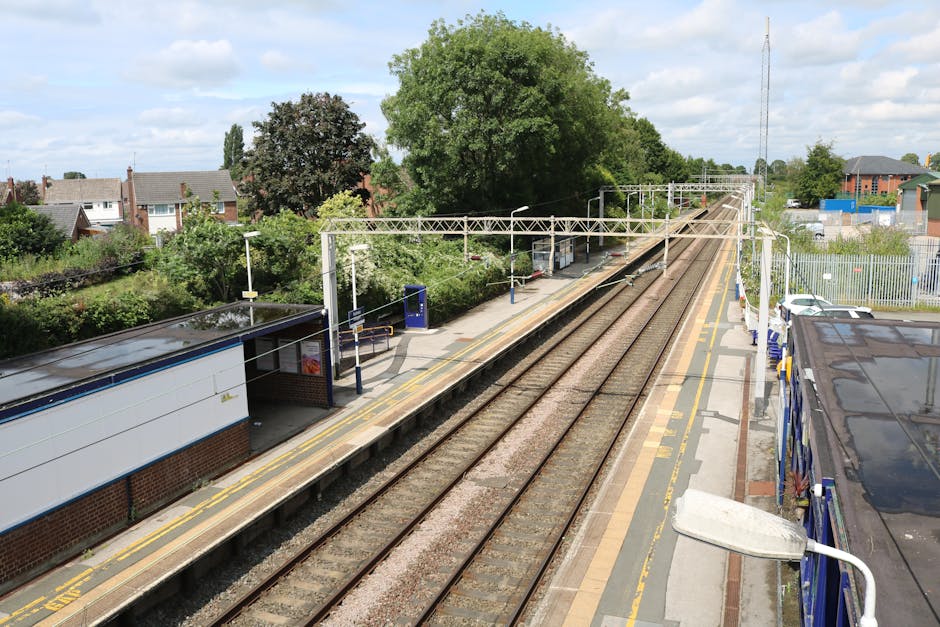
If you live close to Wennington Station, your garden can feel like a small but stubborn project: a front border that dries out too fast, a lawn that never quite settles, a hedge that suddenly looks one trim behind, and a patio that picks up grime after a wet spell. The good news is that Wennington gardeners for homes near Wennington Station quick tips do not need to be complicated. A few local, practical moves can make the difference between a garden that always feels slightly untidy and one that looks cared for without eating your weekends.
This guide focuses on the jobs, timing, and decisions that matter most for homes near the station. You will find clear steps, a realistic comparison of options, common mistakes to avoid, and a checklist you can actually use. And yes, we'll keep it grounded. No fairy dust, no overblown promises. Just useful gardening advice that fits everyday Wennington life.
Why Wennington gardeners for homes near Wennington Station quick tips Matters
Gardens near transport links tend to pick up a specific kind of wear. You notice it on the way home: leaves collecting by the gate, mud splashing onto paving after rain, and shrub growth leaning into paths because nobody had time to tidy it back. Near Wennington Station, many homes also need gardening to be efficient, not elaborate. People want good-looking outdoor space without constant intervention.
That is where a local approach helps. Wennington gardeners understand the pace of work that suits busy households, the seasonal rhythm of UK gardens, and the difference between a one-off spruce-up and proper upkeep. Quick tips matter because they help you make better choices early. They stop small issues turning into expensive work later. A few minutes spent pruning, clearing, or checking drainage can save a whole afternoon down the line. Honestly, that is the bit many people wish they had done sooner.
There is another reason this matters: location. Station-adjacent gardens often face foot traffic dust, occasional compacted edges, and less "out of sight, out of mind" care than larger suburban plots. If you keep on top of the basics, the whole property feels more settled and welcoming. Small job, big effect.
How Wennington gardeners for homes near Wennington Station quick tips Works
The best way to think about this is as a simple maintenance system rather than a giant project. Good gardening near Wennington Station usually starts with an assessment, then a sequence of low-disruption tasks that are matched to the season and the condition of the garden.
A typical process might look like this:
- Look at the whole space first. Check lawn condition, hedge growth, weeds, patio staining, fence wear, and any areas where water sits after rain.
- Prioritise safety and access. Paths, steps, drive edges, and boundaries should be clear before cosmetic work begins.
- Deal with the biggest visual problems. Overgrown hedges, patchy grass, or a dirty patio often change the feel of a garden faster than anything else.
- Set a maintenance rhythm. Weekly, fortnightly, monthly, and seasonal tasks each have their place.
- Review after a few weeks. Gardens rarely become manageable from one visit alone. A small reset plus follow-up care usually works better.
That rhythm is especially useful if you are balancing work, travel, or family life. The idea is not to do everything at once. It is to prevent the garden from getting away from you. If you have ever looked out the kitchen window and thought, "Right, that's got a bit wild," you already know the feeling.
For bigger jobs, it often makes sense to pair quick wins with more specialised support. For example, garden maintenance in Wennington is useful for regular upkeep, while lawn mowing services can keep turf neat when mowing becomes one task too many to squeeze in. If hedges are the main issue, a dedicated hedge trimming service can restore shape fast.
Key Benefits and Practical Advantages
There are plenty of reasons to stay on top of your garden, but the most useful benefits are usually the everyday ones. Not the grand ones. The ordinary ones that make life easier.
- Better kerb appeal: A tidy front garden makes a home feel cared for, even before anyone steps through the door.
- Less weekly stress: Smaller, regular jobs are far less draining than a full rescue operation every few months.
- Healthier plants: Proper pruning, feeding, and mowing help plants grow more evenly and resist problems.
- Safer outdoor areas: Clear paths, trimmed edges, and stable boundaries reduce trip hazards and awkward access.
- Better use of space: Even compact gardens near the station can feel bigger when clutter, weeds, and overgrowth are under control.
- Longer life for hard landscaping: Clean paving, protected timber, and maintained fencing last longer and look better.
There is also a money angle, though I would be careful not to overstate it. Prevention is usually cheaper than correction. A neglected hedge can become a major cutback job. A dirty patio can become a slippery, stained surface that needs more effort later. A lawn left to thin out will need more than a quick mow. Little things add up, in both directions.
For gardens with mixed surfaces, services such as patio cleaning, decking services, and fencing can make a visible difference alongside planting and lawn care. That combination tends to feel more complete.
Who This Is For and When It Makes Sense
This kind of practical gardening support is a good fit for several types of homeowner. If any of these sound familiar, you are probably in the right place.
- Busy commuters: If your schedule is tight and you want the garden to stay presentable without constant effort.
- First-time homeowners: If you have inherited a garden that looks easy at first glance but turns out to need structure.
- Families: If you need outdoor space that is safe, usable, and not covered in sharp edges or slippery growth.
- Older homeowners: If lifting, pruning, and repeated mowing are becoming less convenient.
- Landlords or rental property owners: If you need outdoor areas kept neat for occupancy and viewings.
- Anyone preparing to sell: If the garden needs a fast, sensible refresh before photos or appointments.
It makes sense when the work is recurring, the garden is mixed in condition, or the timing matters. For example, if a hedge keeps pushing into a boundary line or a lawn needs more than basic mowing, you are moving beyond occasional DIY territory. That is normal, by the way. Most gardens are not meant to be managed by guesswork forever.
If your plot is also shaded, windy, or awkwardly sized, there are helpful ideas in topics like container gardening for small spaces, wind management in the backyard, and evergreen climbers for shade. Those can turn a tricky garden into something far more workable.
Step-by-Step Guidance
Here is a straightforward way to approach a garden near Wennington Station without making it into a weekend marathon.
1. Start with a quick visual survey
Walk the whole garden and note what stands out first. Is it the lawn? The hedge line? The patio? The weed growth around edging? You are looking for the one or two features that dominate the space. Fixing the dominant problem usually gives the biggest return.
2. Clear access routes
Before doing anything decorative, make sure paths, side returns, steps, and bin access are clear. This is where small jobs make the space feel immediately better. A cleared path can change the mood of a garden more than people expect. It just feels calmer.
3. Tackle the lawn properly
If grass is patchy, shaggy, or mossy, decide whether it needs mowing, scarifying, feeding, or a more basic reset. A tidy cut improves the whole frame of the garden. If the lawn is central to the space, consider pairing routine mowing with longer-term lawn care support so it stays healthy rather than only short.
4. Shape the hedges and boundary planting
Overgrown hedges can block light, spill over paving, and make the whole plot feel compressed. A careful trim brings structure back. If you are not sure whether a hedge needs light maintenance or a more involved cut, that is where a specialist check helps. The right angle matters; get it wrong and the hedge can look blunt for months. Not ideal.
5. Refresh hard surfaces
Patios, decking, and paved edges are often what people notice after the plants are sorted. Dirt, algae, and leaf staining build up slowly, which is why they can catch you off guard. Cleaning and minor repairs here make the garden safer and much sharper visually.
6. Review trees, shrubs, and vertical growth
Look up as well as down. Trees and larger shrubs may be shading key areas or creating dropped debris. If a tree is interfering with the garden layout or looks structurally concerning, tree surgery in Wennington may be the safer route than trying to manage it with a hand saw and good intentions.
7. Finish with a maintenance plan
The final step is the one most people skip. Decide what happens weekly, what happens monthly, and what can wait for the next season. Without that, a newly tidy garden drifts back into chaos. It happens quickly too.
A simple monthly rhythm might be: mow or tidy the lawn, inspect hedges, remove weeds, sweep hard surfaces, and check for drainage issues after heavy rain. It is boring in the best possible way.
Expert Tips for Better Results
There are a few small habits that tend to produce better gardens without much extra effort. These are the ones I'd keep if you only wanted the essentials.
- Trim little and often. Hedges and soft growth are easier to keep in shape with regular, lighter work than with one huge cutback.
- Use dry weather windows wisely. After a wet spell, wait until surfaces are safe and the ground is not too soft before doing heavy tasks.
- Keep the front garden simpler than the back. Near the station, front spaces benefit from clean lines and low fuss. It just works better visually.
- Match plants to the site. Shady corners, windy spots, and narrow borders need different choices. One-size-fits-all planting usually disappoints.
- Protect the hardscape. Clean paving, maintained decking, and sound fencing all reduce the amount of seasonal effort later on.
- Plan around access. If garden waste needs to be moved through a narrow side passage, sort that route first. It sounds minor, but it saves hassle.
There is a nice, practical effect when a garden is set up well: each job becomes simpler. Mowing is faster when edges are neat. Weeding is easier when beds are defined. Cleaning is less grim when dirt has not been left to settle for months. Obvious, maybe. Still worth saying.
For design support, you might also look at landscaping services if the space needs rebalancing rather than just maintenance. And if the garden feels too open or overlooked, quick-growing hedges for privacy is a useful idea to explore alongside boundary improvements.
Common Mistakes to Avoid
Most garden problems near homes like these are not dramatic. They are the result of small delays, repeated. That is what makes them sneaky.
- Waiting too long between trims: Once hedges and borders get too far away from shape, recovery takes longer and looks rougher in the meantime.
- Cutting too much at once: Heavy pruning without a plan can stress plants and leave bare patches.
- Ignoring drainage: If water sits on paths or near borders after rain, the issue will keep coming back.
- Only mowing, never caring for the lawn: A lawn can look short but still be weak underneath.
- Letting weeds seed freely: That one is a classic. A few minutes now can save a lot of annoying hand-pulling later.
- Using the wrong plants for the site: Shade, wind, and poor soil can all make "nice in the nursery" plants struggle at home.
Another common one is trying to do the entire garden in one burst and then leaving it for weeks. It feels productive at the time. To be fair, it even looks productive. But a more regular pattern usually gives a better result with less strain.
Tools, Resources and Recommendations
You do not need a shed full of equipment to keep a garden near Wennington Station under control. A compact, reliable toolkit is usually enough.
- Manual secateurs: For small pruning jobs and shaping soft growth.
- Shears or hedge trimmers: Useful for keeping hedges and formal edges neat.
- Lawn mower: Especially if the lawn is a visible feature of the garden.
- Rake and stiff broom: Great for clearing leaves, debris, and patio dirt.
- Weed tool: Handy for borders, paving joints, and edge lines.
- Gloves and sturdy footwear: Simple, but worth it. Nobody enjoys a thorn in the thumb.
- Compost bin or green waste system: Helpful if you want to recycle clippings and cuttings sensibly.
For practical reading, the following can help you make better decisions about common jobs and garden styles: must-have tools to elevate your gardening passion, time-saving gardening ideas, and restoring beauty to a neglected garden space. They are useful if your garden has slipped a bit and needs a sensible reset.
If your outdoor surfaces need more than sweeping, consider the condition of your decking and paving before buying cleaning products or hiring tools. Sometimes a proper service saves you from doing the same job twice. And frankly, that is worth a lot on a Saturday.
Law, Compliance, Standards, or Best Practice
For most home gardens, the key point is less about strict regulation and more about responsible, safe practice. That said, a few common-sense standards are worth keeping in mind in the UK.
If a tree is large, unstable, close to a boundary, or affecting structures, it is wise to handle it carefully and avoid work that could create damage or risk. If you are unsure, proper assessment is better than guesswork. The same goes for fence lines near shared boundaries: check ownership before replacing or altering anything significant.
Noise, waste handling, and neighbour consideration also matter. A big hedge cut or garden clearance is usually best done at sensible times, with cuttings contained and pathways kept clear. If you are using contractors, ask how waste will be handled and whether access arrangements are clear before the work starts. It sounds formal, but it avoids awkwardness.
For safety, use tools as intended, wear protective gear, and do not climb ladders or cut high branches if the setup is unstable. Simple best practice often matters more than technical perfection. That is especially true on small plots where one awkward step can cause a bigger problem than the original task.
Options, Methods, or Comparison Table
Homeowners near Wennington Station usually choose between three broad approaches: do it all yourself, mix DIY with occasional help, or hand most of it over to professionals. Each one can work, depending on time, budget, and the garden's condition.
| Approach | Best for | Pros | Trade-offs |
|---|---|---|---|
| DIY only | Small, simple gardens and confident gardeners | Low direct cost, full control, flexible timing | Can become time-consuming; harder for larger or specialised jobs |
| Mixed approach | Busy households and medium-sized gardens | Balances cost and convenience; good for routine upkeep | Needs good coordination so jobs do not overlap or get missed |
| Professional support | Overgrown, complex, or time-sensitive gardens | Efficient, consistent, and useful for specialist tasks | Higher upfront spend than DIY |
In many Wennington gardens, the mixed approach is the sweet spot. You keep on top of the easy visual wins, then bring in help for the jobs that are awkward, heavy, or simply more efficient to outsource. That is usually the smart one, in real life.
Case Study or Real-World Example
Take a typical home near Wennington Station: a small front garden, a modest lawn, a hedge along one side, and a patio that gets a lot of use in spring and summer. Nothing dramatic. But after a few months of weather, work, and general life, it starts to feel tired.
The first step is a sweep-through: cut back the hedge enough to restore shape, mow the lawn, remove weeds from the patio joints, and clear the path to the front door. That alone changes the tone of the place. The garden starts reading as a deliberate part of the home again, not just a bit of outside space.
Next comes the maintenance layer. A regular mow prevents the grass from getting floppy and uneven. A scheduled hedge trim keeps light moving through the side boundary. If the patio has gone dull, a proper clean brings back the colour in the paving and makes the seating area more inviting. If there is a timber deck, a check for algae or wear helps stop it becoming slippery when the mornings turn damp.
What usually surprises people is how quickly the result becomes visible. Not because one job is magical, but because the garden starts working together again. The eye stops catching on one overgrown corner after another. You get a cleaner line, a calmer feel, and a space that is easier to live with. That is the goal, really.
If the space also needs a deeper reset, general gardening services in Wennington can help tie the jobs together rather than treating them as separate problems. That tends to produce a more coherent result.
Practical Checklist
Use this checklist before or after a gardener visit near Wennington Station. It keeps things focused.
- Check which areas look most untidy from the road or front gate.
- Identify any access problems, slippery patches, or trip hazards.
- Confirm whether the lawn needs mowing, feeding, or a fuller recovery plan.
- Look at hedges for shape, height, and overhang.
- Inspect patios, paving, and decking for dirt, algae, or surface wear.
- Walk the boundary line and note any fence issues or leaning sections.
- Spot any trees or large shrubs that may need careful attention.
- Decide what can be handled as routine upkeep and what needs specialist help.
- Plan the next maintenance date before the garden starts drifting again.
- Keep waste removal and clearing in mind so the space is left properly finished.
Quick takeaway: the best results usually come from small, regular improvements rather than one massive clear-out. That is the whole game, really.
Conclusion
Wennington gardeners for homes near Wennington Station quick tips are all about making the garden easier to live with. Not perfect. Easier. Neater. Safer. More pleasant to look at on a rainy Tuesday and better still on a sunny Sunday morning with a cup of tea in hand.
If you focus on the basics - lawn care, hedge trimming, weed control, clean hard surfaces, and a realistic maintenance rhythm - your garden becomes far less demanding. And if a few jobs are beyond the time or tools you want to spend on them, that is exactly where local support can be a sensible move.
There is no need to overcomplicate it. Start with the obvious wins, keep the space manageable, and build from there. Gardens usually respond well to steady attention. So do people, come to think of it.
Get a free quote today and see how much you can save.
Frequently Asked Questions
What should I ask Wennington gardeners before booking?
Ask what is included, how waste will be handled, whether the job is one-off or recurring, and which tasks they recommend first. That gives you a clearer idea of value and avoids mismatched expectations.
How often should a garden near Wennington Station be maintained?
Most gardens benefit from weekly or fortnightly attention to the basics, plus seasonal visits for heavier work. Lawns, hedges, and borders often need separate schedules, which is why a single annual visit is rarely enough.
Is regular lawn mowing enough to keep grass healthy?
Usually not. Mowing helps appearance, but healthy lawns also need feeding, aeration, weed control, and sometimes moss management. If the lawn is central to the garden, a fuller care plan is better.
When is the best time to trim hedges?
It depends on the hedge type and growth rate, but lighter, regular trimming is usually more effective than leaving it too long. If nesting birds may be present, extra care is sensible. When in doubt, wait and check conditions first.
Do small gardens near the station need professional help?
Not always, but compact gardens can still become fiddly. Narrow access, awkward paving, and fast-growing hedges can make occasional professional help worthwhile, especially if time is short.
What garden jobs are best left to specialists?
Tree work, bigger hedge reductions, serious lawn recovery, fence repairs, and deep patio or decking cleaning are common examples. They can be done badly if rushed, so specialist support is often a safer choice.
How do I make a small garden look bigger?
Keep lines clean, reduce clutter, use simple planting, and avoid oversized features. Vertical planting, tidy edges, and good use of containers can help a compact garden feel more open.
What if my patio keeps getting slippery?
That usually points to algae, shade, damp, or poor drainage. Regular cleaning helps, but the underlying cause matters too. If the area stays slick, the surface and layout may need a closer look.
How can I keep garden maintenance costs sensible?
Prioritise preventative care, combine related jobs in the same visit, and avoid letting minor issues build up. It is often cheaper to maintain hedges, lawns, and paving steadily than to rescue them later.
Can gardeners help with both plants and hard landscaping?
Yes, many local gardeners can support both. For example, planting, lawn care, hedge work, fencing, decking, and patio cleaning may all be part of a wider maintenance plan. That makes coordination much easier.
What are the most common mistakes homeowners make with garden upkeep?
Leaving hedges too long, ignoring weeds until they seed, mowing without looking after the lawn properly, and forgetting to clean hard surfaces are all common. The good news is they are very fixable.
How do I know if my garden needs a one-off tidy or ongoing care?
If the space keeps drifting back into untidiness after you clean it up, ongoing care is usually the better choice. If it only needs a seasonal reset, a one-off visit might be enough. A quick assessment will normally show which one fits better.